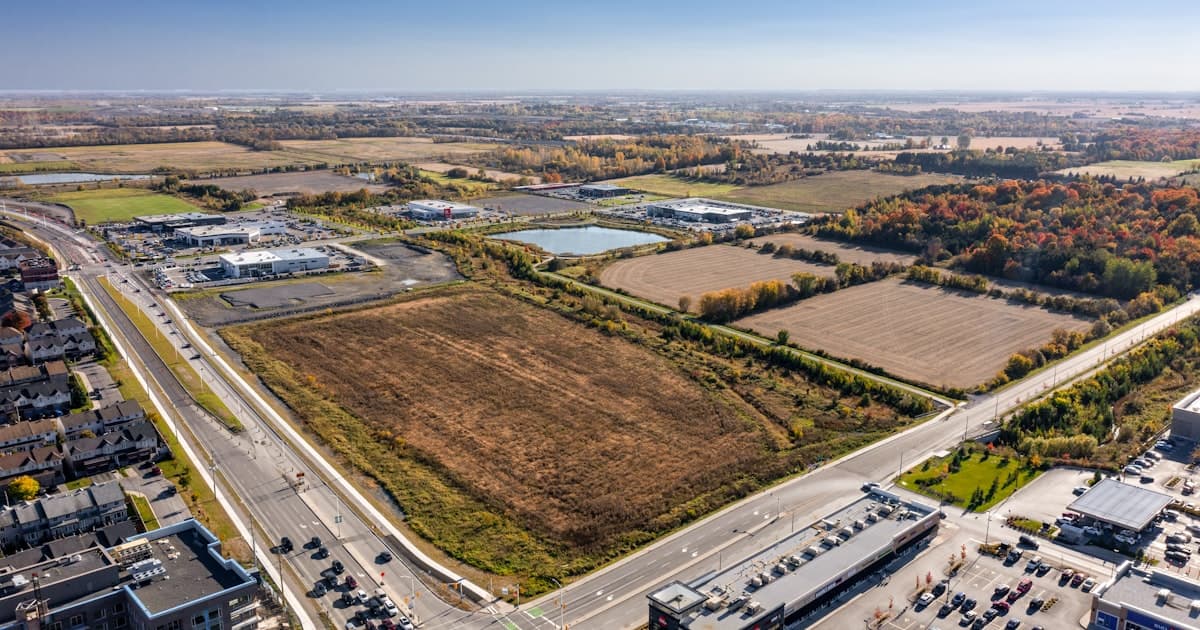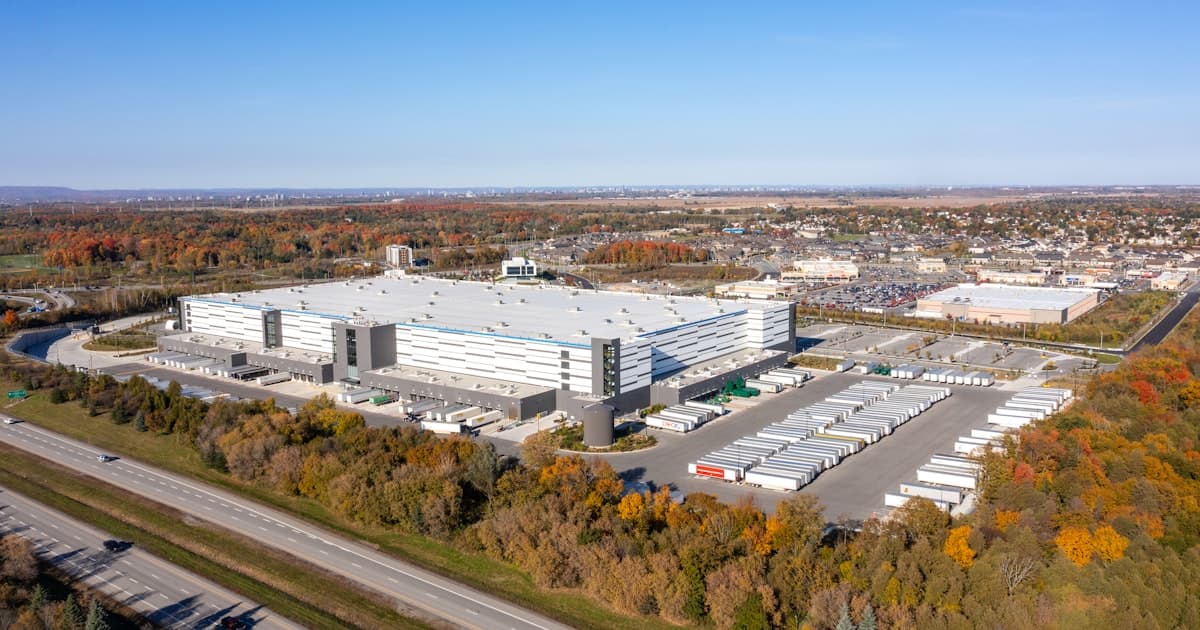
Why Industrial Property?
Industrial property in Greater Kuala Lumpur has quietly become the best-performing real estate asset class in Malaysia. While residential prices stagnated through 2018-2023 and office vacancy in KL city centre climbed above 25%, industrial property delivered consistent capital appreciation, rental growth, and the lowest vacancy rates of any commercial segment.
The numbers tell the story clearly.
Performance Comparison: Industrial vs Residential vs Commercial (2024-2025)
| Metric | Industrial | Residential | Commercial (Office) | Commercial (Retail) |
|---|---|---|---|---|
| Gross rental yield | 5.0-7.0% | 2.5-4.0% | 4.0-5.5% | 4.5-6.0% |
| Capital appreciation (5-year CAGR) | 5-8% | 1-3% | -2 to 2% | 0-2% |
| Vacancy rate (Greater KL, Q2 2025) | 2.0% | 15-20% (overhang) | 25.5% (KL CBD) | 18-22% |
| Average lease length | 3-5 years | 1 year | 3-5 years | 3-5 years |
| Tenant default risk | Low-moderate | Moderate-high | Moderate | Moderate-high |
| Transaction volume growth (2024) | +18% 4-year CAGR | +5% | -3% | +2% |
Sources: NAPIC Property Market Report 2024, JLL Malaysia Industrial Market Overview Q2 2025, Knight Frank Malaysia Real Estate Highlights H1 2025
Klang Valley industrial transactions reached RM10.8 billion in 2024 — an 18% compound annual growth rate from 2020. Nationally, industrial property transactions totalled RM15.2 billion in the first nine months of 2022 alone, with 6,043 units transacted. This momentum has continued through 2025 and into 2026.
Why Now? The Structural Tailwinds
Four structural forces are driving sustained industrial property demand in Greater KL:
1. ASEAN Manufacturing Shift (China+1) Malaysia approved RM378.5 billion in total investments in 2024 — the highest in history. Foreign direct investment reached record levels as multinational manufacturers diversified supply chains away from China. The electrical and electronics sector alone attracted RM109.8 billion. Selangor captured the largest share of manufacturing FDI, with Greater KL's industrial zones as the primary beneficiary.
2. E-Commerce & Logistics Boom Malaysia's e-commerce GMV is projected to reach USD16 billion by 2027 (Bain/Temasek). Every RM1 billion in e-commerce sales requires approximately 1.2 million sqft of warehouse space for fulfilment, last-mile distribution, and returns processing. Maersk opened APAC's largest warehouse (180,000 sqm, approximately RM500 million) in Shah Alam in November 2025. LOGOS is building a RM1.5 billion green logistics hub. Nippon Express built its largest single-structure warehouse outside Japan.
3. Data Centre Explosion Malaysia's data centre market is projected to grow from USD4 billion (2024) to USD13.6 billion (2030). Google committed RM15 billion for two data centres at Elmina Business Park. Bridge Data Centres acquired 136 acres in Banting for RM741 million (January 2026). Industrial land with power infrastructure is being repurposed at unprecedented premiums.
4. Government Policy Support The New Industrial Master Plan 2030 (NIMP 2030) targets RM95 billion in additional manufacturing investment. MIDA's New Investment Incentive Framework (NIIF), effective March 2026, offers outcome-driven incentives. The IDRISS master plan commits RM1 trillion GDV to South Selangor. Port Klang's Westport 2 expansion (RM12.6 billion) and the Carey Island mega-port (RM28 billion) will transform logistics infrastructure over the next two decades.
The bottom line: industrial property benefits from structural demand that is multi-decade in nature, not cyclical. For investors who understand the market, it offers a combination of yield, appreciation, and stability that no other Malaysian property class matches.
Types of Industrial Property
Industrial property is not a single asset class. Understanding the sub-types — their specifications, pricing, tenant profiles, and risk characteristics — is essential for making the right investment decision.
Factories
Factories are purpose-built for manufacturing and production. In Greater KL, they range from small semi-detached units suitable for SMEs to large detached complexes for MNC operations.
| Sub-Type | Typical Size (sqft) | Ceiling Height | Power Supply | Price Range (Built-Up, RM psf) | Monthly Rental (RM psf) | Typical Tenants |
|---|---|---|---|---|---|---|
| Terrace factory | 1,500-4,000 | 15-20 ft | 60-100 Amp | RM150-350 | RM1.20-2.50 | Micro SMEs, workshops, light assembly |
| Semi-detached factory | 4,000-15,000 | 20-35 ft | 100-400 Amp | RM250-660 | RM1.50-3.50 | SME manufacturers, packaging, food processing |
| Detached factory | 10,000-100,000+ | 25-45 ft | 200-800+ Amp | RM200-500 | RM1.50-3.00 | MNC manufacturing, heavy industry, automotive |
| Flatted factory | 800-5,000 per unit | 12-18 ft | 60-100 Amp | RM200-450 | RM1.50-3.00 | Light manufacturing, startups, cottage industry |
| High-spec / clean room | 5,000-50,000 | 20-35 ft | 200-600 Amp | RM400-800+ | RM3.00-6.00+ | Semiconductor, pharma, food-grade, electronics |
Pros: Higher rental yields than warehouses (typically 0.5-1.0% premium). Purpose-built tenants are sticky — relocation costs for manufacturing are high, leading to longer effective tenancy. Strong capital appreciation in established zones.
Cons: Tenant-specific fit-out may limit re-letting flexibility. Environmental compliance requirements (DOE permits, scheduled waste management) add cost and complexity. Older factories (1970s-1980s stock) may require significant renovation — budget 10-20% of purchase price.
Warehouses
Warehouses serve storage, distribution, and fulfilment needs. The rise of e-commerce has driven explosive demand for modern warehousing.
| Sub-Type | Typical Size (sqft) | Ceiling Height | Key Specs | Price Range (Built-Up, RM psf) | Monthly Rental (RM psf) | Typical Tenants |
|---|---|---|---|---|---|---|
| Standard warehouse | 5,000-50,000 | 20-30 ft | Basic loading bays, concrete floor | RM150-350 | RM1.20-2.50 | General storage, trading companies, distributors |
| Modern logistics warehouse | 20,000-500,000+ | 30-45 ft | Multiple dock levellers, sprinklers, floor load 3-5 tonnes/sqm | RM250-450 | RM2.00-4.00 | 3PL operators, e-commerce fulfilment, FMCG distribution |
| Multi-storey / flatted warehouse | 5,000-30,000 per floor | 12-20 ft per floor | Cargo lifts, ramp access, high floor load | RM300-550 | RM2.00-3.50 | E-commerce, urban logistics, last-mile distribution |
| Cold chain / temperature-controlled | 5,000-100,000 | 20-35 ft | -25C to +15C, insulated panels, backup generators | RM400-700+ | RM3.00-8.00 | F&B distributors, pharma, frozen food, perishables |
| Bonded / Free Zone warehouse | 10,000-200,000 | 25-40 ft | Customs clearance facility, security fencing | RM200-400 | RM2.00-4.00 | Import/export traders, FTZ manufacturers, transhipment |
Pros: The fastest-growing industrial segment. E-commerce and logistics demand is structural and multi-decade. Modern warehouses attract institutional tenants (Maersk, DHL, DB Schenker, Mapletree) with strong covenants. Triple-net leases are increasingly standard, reducing landlord operational burden.
Cons: Warehouse tenants have more relocation flexibility than factory tenants — lease renewal risk is higher. Cold chain and high-spec warehouses require significant capital expenditure for fit-out. Location is critical — a warehouse 10 km further from the highway may lose 30% of its rental value.
Industrial Land
Industrial land offers maximum flexibility — build to exact specifications or hold for appreciation.
| Sub-Type | Typical Size | Price Range (RM psf) | Key Considerations | Typical Buyers |
|---|---|---|---|---|
| Zoned industrial land (light) | 0.5-5 acres | RM15-250 | Ready for development, utilities available | Owner-occupiers, developers |
| Zoned industrial land (medium/heavy) | 2-50+ acres | RM15-200 | May require EIA, higher utility requirements | MNC manufacturers, heavy industry |
| Agricultural land (conversion potential) | 5-100+ acres | RM3-25 | Requires land use conversion (6-18 months, 10-30% premium) | Land bankers, developers |
| Data centre-grade land | 10-100+ acres | RM75-250 | Requires 100+ MVA power, fibre backbone, water supply | Data centre operators, hyperscalers |
Pros: Highest long-term appreciation — Klang Valley industrial land has compounded at 6-11% annually over 30 years depending on area. No depreciation (unlike buildings). Maximum flexibility for development. Agricultural-to-industrial conversion can unlock 300-500% value uplift.
Cons: No rental income until developed. Holding costs (quit rent, assessment, maintenance) during the holding period. Development risk — building costs, approval timelines, market timing. Conversion risk for agricultural land — approval is not guaranteed.
Understanding the Greater KL Industrial Landscape
Greater KL's industrial zones vary dramatically in pricing, tenant profile, infrastructure quality, and growth trajectory. This comprehensive pricing table covers every major industrial area and sub-area.
Comprehensive Pricing Guide by Area (2025-2026)
| Area / Sub-Area | Industrial Land (RM psf) | Built-Up Price (RM psf) | Rental Rate (RM psf/month) | Typical Gross Yield | Character |
|---|---|---|---|---|---|
| Shah Alam | |||||
| Section 15 (Original precinct) | RM120-250 | RM186-660 | RM1.60-2.50 | 4.5-5.5% | Oldest, freehold, SME-heavy, very limited supply |
| Section 16 (Machinery corridor) | RM120-200 | RM170-326 | RM1.60-2.20 | 4.5-5.5% | Mature, undergoing SAILH redevelopment |
| Section 22 (Logistics hub) | RM130-250 | RM250-400 | RM1.80-2.50 | 5.0-6.0% | Heavy/medium industrial, Mapletree, logistics transition |
| Section 23 (Modern warehousing) | RM120-220 | RM250-400 | RM2.00-2.60 | 5.0-6.0% | E-commerce fulfilment, flatted warehouse pioneer |
| Section 26 / HICOM Estate | RM150-300 | RM400-740 | RM2.00-3.00 | 4.5-5.5% | Automotive heartland, premium freehold, heavy industry |
| Section 33 (Premier park) | RM80-150 | RM200-467 | RM1.80-2.40 | 5.0-6.0% | Freehold, newer stock, logistics and light manufacturing |
| Glenmarie / Section U1 | RM235-355 | RM400-800+ | RM2.50-4.00 | 4.5-5.5% | Ultra-premium, MNC HQs, virtually zero vacancy |
| Bukit Jelutong / Section U8 | RM235-355 | RM350-600 | RM2.50-3.50 | 4.5-5.5% | Hi-tech, pharma, premium logistics |
| Temasya (adjacent Glenmarie) | RM269-2,429 | RM500-1,500+ | RM3.00-6.00+ | 3.5-5.0% | Ultra-premium, automotive showrooms, highest in Shah Alam |
| Kota Kemuning / Section 31-32 | RM150-300 | RM300-453 | RM1.80-2.50 | 5.0-5.5% | Electronics cluster, freehold, mid-range |
| Setia Alam / Section U13 | RM100-200 | RM250-450 | RM1.80-2.50 | 5.0-6.0% | Newest stock, future ECRL potential |
| Elmina Business Park | RM150-300 | N/A (data centre) | N/A | N/A | Data centre hub — Google RM15B, Raiden RM1.74B |
| Klang | |||||
| Bandar Bukit Raja | RM100-165 | RM250-450 | RM1.80-2.50 | 5.5-7.0% | Premium modern hub, Sime Darby, MNC tenants |
| Pulau Indah / PIIP | RM55-110 | RM180-350 | RM1.50-2.50 | 6.0-7.0% | Port-adjacent, free zone, halal hub, IKEA DC |
| Port Klang Free Zone (PKFZ) | RM50-100 | RM170-300 | RM1.50-2.50 | 6.0-7.5% | Free zone benefits, 60% occupancy, growth upside |
| Kapar / North Klang | RM18-105 | RM150-280 | RM1.20-2.00 | 5.5-7.0% | Most affordable, future ECRL station, large parcels |
| Meru | RM75-120 | RM180-320 | RM1.40-2.20 | 5.5-6.5% | Established mid-range, dual Shah Alam/Klang access |
| Bandar Sultan Suleiman | RM80-130 | RM200-350 | RM1.50-2.30 | 5.5-6.5% | Port-adjacent, logistics-focused, Samsung SDS |
| Telok Gong | RM55-100 | RM150-280 | RM1.30-2.00 | 6.0-7.0% | Heavy industrial, closest mainland to both ports |
| Pandamaran | RM60-100 | RM150-250 | RM1.20-1.80 | 5.5-6.5% | Older leasehold, budget port proximity |
| Klang Town / Central | RM50-100 | RM150-280 | RM1.20-2.00 | 5.5-7.0% | Oldest, cheapest, SME-heavy, redevelopment potential |
| South Klang / TPG border | RM55-95 | RM160-280 | RM1.20-1.80 | 5.5-6.5% | Emerging, SKVE access, value play |
| Jenjarom / Kuala Langat | |||||
| Teluk Panglima Garang (FTZ) | RM65-85 | RM220-320 | RM1.30-2.00 | 5.0-6.5% | Established MNC zone, Renesas, Amkor, electronics |
| Jenjarom proper | RM31-86 | RM250-460 | RM1.20-1.70 | 5.0-7.0% | Mid-market freehold, SME relocation destination |
| Banting / BIC | RM55-85 | RM200-380 | RM1.20-1.80 | 5.5-7.0% | Heavy industrial, RM4.2B Nine Dragons, RM1.3B Tenpower |
| IOI Industrial Park (Banting) | RM75-125 | RM280-450 | RM1.50-2.30 | 5.5-6.5% | Data centre-grade, 100 MVA, premium specs |
| Olak Lempit / Kota Seri Langat | RM40-75 | RM180-320 | RM1.10-1.60 | 5.5-7.0% | Emerging, Compass 220-acre freehold park |
| Dengkil / Cybersouth | RM50-100 | RM200-350 | RM1.30-2.00 | 5.0-6.5% | IR4.0 focus, NCT RM8B smart park, Cyberjaya-adjacent |
| Puchong | |||||
| Puchong Utama / Kinrara | RM120-250 | RM300-550 | RM2.00-3.50 | 4.5-5.5% | Mature, good LDP/KESAS access, limited supply |
| Taman Perindustrian Puchong | RM100-200 | RM250-450 | RM1.80-3.00 | 5.0-5.5% | Established SME cluster, freehold |
| Petaling Jaya | |||||
| Section 13 | RM400-800 | RM500-1,100+ | RM2.50-5.00 | 3.0-4.5% | Prime, heritage industrial, redevelopment wave |
| Section 51 / 51A | RM350-700 | RM400-900 | RM2.50-4.50 | 3.5-5.0% | Established, MNC tenants, strong capital values |
| Damansara Utama | RM300-600 | RM400-800 | RM2.50-4.00 | 3.5-4.5% | Mixed-use transition, premium pricing |
| Subang | |||||
| Taman Perindustrian Subang | RM150-400 | RM250-600 | RM2.00-3.50 | 4.5-5.5% | Well-established, airport proximity, diverse tenants |
| Subang Hi-Tech Industrial Park | RM200-600 | RM350-700 | RM2.50-4.00 | 4.0-5.0% | Tech/aerospace cluster, Subang Airport adjacent |
Prices are indicative ranges reflecting market conditions as of Q4 2025 through Q1 2026. Actual prices vary by specific lot, building age, specifications, tenure, and frontage. Sources: NAPIC, Knight Frank, JLL, Savills Malaysia, developer price lists, IndustrialKL transaction data.
Key Takeaway by Investor Profile
| Investor Profile | Best Areas | Why |
|---|---|---|
| Yield-focused (cash flow) | Klang general, PKFZ, Jenjarom/Banting, Kapar | 5.5-7.5% gross yields, affordable entry |
| Capital appreciation focus | Jenjarom/Banting, Kapar, South Klang, Dengkil | 5-8% annual land appreciation, infrastructure catalysts |
| Blue-chip / institutional | Shah Alam (Sec 22/26/33), Bukit Raja, Glenmarie | Premium tenants, lowest vacancy, best infrastructure |
| Value-add / redevelopment | PJ Section 13, Shah Alam Sec 15/16, Klang Town | Aging stock, rezoning potential, land value play |
| First-time investor (lowest risk) | Shah Alam Sec 33, Bukit Raja, Meru | Modern stock, proven demand, moderate entry cost |
Key Location Factors
When evaluating industrial property in Greater KL, four infrastructure factors determine approximately 70% of an asset's long-term value.
Highway Access
Proximity to major expressways directly impacts logistics cost, employee commute time, and property value. Every additional kilometre from a highway interchange reduces rental value by approximately 2-5%.
| Highway | Length | Key Industrial Areas Served | Toll Range (Class 1) | Notes |
|---|---|---|---|---|
| Federal Highway (Route 2) | 27 km | Shah Alam, Klang, PJ | Free | Primary east-west artery. Toll-free since 2018. Heavy traffic. |
| NKVE | 35 km | Shah Alam, Bukit Raja, Subang | RM2-6 | Premium expressway. Connects Bukit Raja to Jalan Duta/KL. |
| KESAS | 34.5 km | Pandamaran (Klang) to Sri Petaling | RM2/plaza | Critical freight corridor to Port Klang. Tolls frozen 10+ years. |
| SKVE | 51.7 km | TPG, Jenjarom, Pulau Indah, Putrajaya | RM1-7 | Southern corridor backbone. Connects to Westport. |
| WCE | 233 km | Banting, Jenjarom, Kapar, north to Taiping | RM2-15 | Section 2 opened Jan 2025. Full completion end-2026/early 2027. |
| ELITE | 63 km | Shah Alam, Subang, to Nilai/KLIA | Distance-based | North-south link, KLIA connectivity. |
| DASH | 20.1 km | Shah Alam to Damansara, Subang Airport | RM2.30/plaza | Elevated expressway. Cuts travel time by 50%. |
| GCE | 25 km | Shah Alam northward to Rawang | RM1.90/plaza | North corridor access. |
| LDP | 40 km | Puchong, PJ, Subang, Kepong | RM1-3.50 | Urban expressway serving Puchong and PJ industrial. |
Port & Airport Proximity
For businesses with import/export requirements, distance to port and airport determines operational economics.
| Origin Area | To Westport (Pulau Indah) | To Northport | To KLIA/KLIA2 | To Subang Airport |
|---|---|---|---|---|
| Shah Alam (core) | 25-30 km / 25-30 min | 28-33 km / 30-35 min | 50-60 km / 40-55 min | 15 km / 15-20 min |
| Klang (Bukit Raja) | 12-20 km / 15-25 min | 15-22 km / 20-30 min | 55-65 km / 45-60 min | 25 km / 25-35 min |
| Pulau Indah / PKFZ | 5 km / 5-10 min | 12 km / 15-20 min | 60-70 km / 50-65 min | 35 km / 35-45 min |
| Jenjarom | 25-35 km / 30-40 min | 30-40 km / 35-45 min | 25-35 km / 30-40 min | 35 km / 35-45 min |
| Banting / BIC | 35-45 km / 40-50 min | 40-50 km / 45-55 min | 15-25 km / 15-25 min | 45 km / 45-55 min |
| PJ (Section 13) | 35-40 km / 35-45 min | 38-43 km / 40-50 min | 55-65 km / 45-60 min | 10 km / 10-15 min |
| Puchong | 30-35 km / 30-40 min | 33-38 km / 35-45 min | 40-50 km / 35-50 min | 15 km / 15-20 min |
Travel times assume normal traffic conditions. Add 30-50% during peak hours (7-9 AM, 5-8 PM).
Labour Pool Analysis
Workforce availability varies significantly by area. Tight labour markets (Selangor unemployment: 1.8%, Q3 2025) make proximity to worker populations a critical factor.
| Area | Labour Pool Source | Key Universities/TVET Nearby | Avg. Production Operator Wage (RM/month) | Transport Infrastructure |
|---|---|---|---|---|
| Shah Alam | Shah Alam, Klang, Setia Alam, Subang, Kota Kemuning | UiTM (QS #542), MSU (QS #597), ADTEC, CIAST | 1,700-2,500 | 6 KTM stations, LRT3 (mid-2026, 25 stations), 11+ bus routes |
| Klang | Klang townships, Meru, Kapar, Bukit Raja, Shah Alam | ILP Klang, TVET institutions, UiTM nearby | 1,700-2,500 | 6 KTM stations, LRT3 terminus at Johan Setia (2026) |
| Jenjarom / Banting | Jenjarom, Banting, TPG, Sijangkang | ILP Banting, Community College Banting | 1,700-2,200 | Road-only. No rail. Factory bus required for many workers. |
| PJ / Subang | PJ, Subang Jaya, USJ, Sunway, Damansara | Sunway Uni, Taylor's, Monash, Multimedia Uni | 1,800-2,800 | LRT, MRT, extensive bus network. Best transit access. |
| Puchong | Puchong, Kinrara, Bukit Jalil, Seri Kembangan | Nottingham Malaysia, INTI | 1,700-2,500 | LRT Kelana Jaya extension, LDP highway |
Utility Infrastructure Comparison
| Area | Power (TNB) | Water (Air Selangor) | Gas (Gas Malaysia) | Broadband | Rating |
|---|---|---|---|---|---|
| Shah Alam (core Sec 15/22/26) | 3-phase, dual-feed capable, PMU 132kV | Full coverage, RM3.51-3.83/m3 | Piped NGDS network, City Gate Station | Full fibre, 5G | Excellent |
| Shah Alam (Elmina) | Up to 500kV for data centres, PMU expansion | Full coverage | Available | Full fibre, 5G | Excellent (DC-grade) |
| Klang (Bukit Raja) | 3-phase, high capacity, 200 Amp+ | Full coverage | Available | Full fibre, 5G | Very Good |
| Klang (Kapar/older areas) | 3-phase standard | Full coverage | Limited piped; CNG available | Fibre in newer parks, patchy in older areas | Good |
| Pulau Indah / PKFZ | 3-phase industrial | Full coverage | Available | Fibre available | Good |
| Jenjarom / Banting (newer parks) | 3-phase, up to 100 MVA (IOI Park), on-site substations | Coverage via Rasau expansion | Dual pipeline (IOI Park), Gas Malaysia NGDS | Fibre in newer parks, 5G-ready (IOI) | Good to Very Good |
| Jenjarom / Banting (older areas) | 3-phase standard | Coverage improving | Virtual pipeline CNG | Patchy — verify per site | Fair |
| PJ / Subang | 3-phase, mature grid | Full coverage | Available | Full fibre, 5G | Excellent |
| Puchong | 3-phase, City Gate Station | Full coverage | Piped network | Full fibre, 5G | Very Good |
Industrial electricity tariff: 45.62 sen/kWh (effective 2025-2027). Data centre water tariff: RM5.31/m3.
Lease vs Buy Analysis
The lease-or-buy decision is one of the most consequential financial choices in industrial property. The right answer depends on your capital position, operational horizon, and growth expectations.
Decision Matrix
| Factor | Favours Leasing | Favours Buying |
|---|---|---|
| Operational horizon | Under 5 years | 7+ years |
| Available capital | Limited / preserve for operations | Sufficient for 20-30% down payment |
| Business growth rate | Rapidly scaling (may outgrow space) | Stable, predictable space needs |
| Customisation needs | Standard fit-out sufficient | Heavy customisation / specialised systems |
| Tax position | Operating expense deduction preferred | Capital allowance and asset appreciation preferred |
| Market timing | Prices at peak / uncertain outlook | Prices at fair value or below |
| Location certainty | May need to relocate | Long-term commitment to area |
Typical Lease Structures in Greater KL
| Lease Term | Standard | Premium Location (Shah Alam/PJ) | Emerging Area (Jenjarom/Banting) |
|---|---|---|---|
| Initial term | 3 years | 3-5 years (landlord preference) | 2-3 years |
| Renewal option | +2 years | +3 years | +1-2 years |
| Rental escalation | 5-10% per renewal | 8-12% per renewal (competitive zones) | 5-8% per renewal |
| Security deposit | 2-3 months rent | 2-3 months rent | 2 months rent |
| Utility deposit | 1-2 months estimated usage | 1-2 months | 1-2 months |
| Advance rental | 1 month | 1-2 months | 1 month |
| Maintenance | Tenant (structural by landlord) | Triple-net increasingly common | Tenant (basic) |
| Fit-out reinstatement | Required unless negotiated | Typically required | Negotiable |
| Early termination | Forfeiture of deposit + penalty | Penalty = remaining lease rent | Forfeiture of deposit |
Purchase Cost Breakdown
When buying industrial property, the headline price is only part of the total cost. Budget an additional 8-12% for transaction costs.
| Cost Item | Rate / Amount | Example (RM5M Purchase) |
|---|---|---|
| Purchase price | — | RM5,000,000 |
| Stamp duty (MOT) | 1% (first RM100K) + 2% (RM100K-500K) + 3% (RM500K-1M) + 4% (above RM1M) | RM174,000 (3.48%) |
| Legal fees (SPA) | 1% (first RM500K) + 0.8% (RM500K-1M) + 0.7% (RM1M-3M) + 0.6% (RM3M-5M) + disbursements | ~RM35,000-40,000 |
| Legal fees (loan) | Similar scale to SPA fees | ~RM30,000-35,000 |
| Valuation fee | 0.15-0.25% | RM7,500-12,500 |
| Stamp duty (loan agreement) | 0.5% of loan amount | RM17,500 (on RM3.5M loan at 70% LTV) |
| Real estate agent fee | 2-3% (paid by seller typically, but negotiate) | RM100,000-150,000 |
| Title search & due diligence | Lump sum | RM2,000-5,000 |
| Total transaction costs | ~8-10% of purchase price | ~RM466,000-518,500 |
Note: Foreigners face 8% flat stamp duty rate on all property transfers from January 2026, instead of the progressive scale above.
Financial Comparison: Buying vs Leasing Over 10 Years
This model compares the total cost of ownership versus leasing for a standard 10,000 sqft semi-detached factory in Shah Alam (Section 33).
Assumptions: Purchase price RM3.5M (RM350 psf). Lease rate RM2.00 psf/month. 70% LTV. Interest rate 5.5%. 20-year loan tenure. 5% rental escalation every 3 years. 5% annual capital appreciation.
| Metric | Buy (10-Year Total) | Lease (10-Year Total) |
|---|---|---|
| Down payment / deposit | RM1,050,000 (30%) | RM100,000 (deposits) |
| Monthly payment / rent | RM24,200/month (loan) | RM20,000/month (Year 1) |
| Transaction costs | RM350,000 | RM10,000 (legal/stamp) |
| Total cash outflow (10 years) | ~RM4,304,000 | ~RM2,678,000 |
| Asset value at Year 10 | ~RM5,702,000 (5% CAGR) | RM0 |
| Remaining loan balance | ~RM1,520,000 | RM0 |
| Net equity position | ~RM4,182,000 | -RM2,678,000 |
| Effective annual cost | ~RM12,200/year (after equity gain) | ~RM267,800/year |
Key insight: Over 10 years, the buyer builds approximately RM4.2 million in equity while the lessee has nothing to show for RM2.7 million in rent. However, the buyer commits RM1.4 million upfront (down payment plus costs) and carries debt risk. For occupiers with a 7+ year horizon and available capital, buying is almost always the superior financial decision in the current Greater KL market.
Tax Benefits and Incentives
Malaysia offers one of the most generous industrial incentive frameworks in ASEAN. Understanding the available tax benefits can reduce effective costs by 30-60% for qualifying operations.
MIDA Investment Incentives
| Incentive | Benefit | Duration | Key Requirements | Best For |
|---|---|---|---|---|
| Pioneer Status (PS) | 70-100% income tax exemption | 5-10 years | New manufacturing project in promoted activity/product | New factory operations, MNC market entry |
| Investment Tax Allowance (ITA) | 60-100% allowance on qualifying CAPEX, offset against 70-100% of statutory income | 5 years | Capital expenditure on qualifying assets | Capital-intensive manufacturing, factory expansion |
| Reinvestment Allowance (RA) | 60% of qualifying CAPEX for expansion, modernisation, diversification | 15 consecutive years | Existing manufacturer, in operation 36+ months | Factory upgrades, automation, capacity expansion |
| Accelerated Capital Allowance | Initial allowance 40%, annual 20% (vs standard 14%/14%) | Until fully claimed | Qualifying plant and machinery | Equipment-heavy operations |
| Automation Capital Allowance | 200% on first RM10M automation CAPEX/year | 2023-2027 | Investment in automation, robotics, IIoT | Industry 4.0 transition, SME digitalisation |
New Investment Incentive Framework (NIIF) — effective March 2026: Outcome-driven, tiered incentives replacing the legacy PS/ITA system. Incentives will be linked to measurable outcomes including job creation, domestic sourcing, R&D spending, and ESG compliance. RM1 billion allocated in Budget 2025. Early indications suggest more generous treatment for high-value-added activities.
MIDA priority industries for Selangor's Central Region: Electrical & Electronics, Aerospace, Pharmaceutical, and Food Manufacturing.
Green Technology Incentives
| Incentive | Benefit | Application Deadline | Qualifying Activities |
|---|---|---|---|
| GITA (Green Investment Tax Allowance) | 100% ITA on qualifying green technology CAPEX | December 2026 | Solar PV systems, energy-efficient equipment, waste treatment, green buildings |
| GITE (Green Income Tax Exemption) | 70% income tax exemption on green services income | December 2026 | Green technology services, energy management, environmental consulting |
| GTFS 4.0 (Green Technology Financing Scheme) | 1.5% financing rebate for 7 years + 60% government guarantee | Active | Solar, EV infrastructure, energy efficiency, water treatment, green buildings |
| Solar Self-Consumption (NEM/SELCO) | Up to 100 MW capacity, net energy metering | Ongoing | Rooftop and ground-mounted solar for industrial operations |
Practical example: A factory owner installing a 500 kW rooftop solar system (cost approximately RM1.5 million) can claim 100% GITA on the capital expenditure, plus GTFS 4.0 financing with 1.5% interest rebate. The solar system reduces electricity costs by approximately RM300,000-400,000 annually at current industrial tariff rates. Payback: 3-4 years after incentives.
Free Zone Benefits
| Free Zone | Location | Key Benefits | Minimum Export | Notable Occupants |
|---|---|---|---|---|
| Port Klang Free Zone (PKFZ) | Pulau Indah, Klang | Duty-free imports/exports, income tax exemptions, 100% foreign ownership, free repatriation | 80% (reducible to 60%) | IKEA, Cargill, Schlumberger, Baker Hughes |
| Pulau Indah FIZ | Pulau Indah, Klang | Duty-free raw materials/machinery, streamlined customs | 80% (reducible to 60%) | FFM Berhad, F&N, Ramly, Kawan Food |
| TPG Free Trade Zone | Teluk Panglima Garang | Duty-free for electronics/semiconductor manufacturing | 80% (reducible to 60%) | Renesas, Amkor, Nippon Chemi-Con |
| Selangor Halal Hub | Pulau Indah | 100% income tax exemption for 10 years (HALMAS), halal certification support | Halal products focus | Halal-certified F&B and consumer goods |
Malaysia Digital (MD) Status
Technology companies operating in designated cybercentres (such as i-City Shah Alam) can access:
- Up to 100% income tax exemption for 10 years (0% on IP income, 5-10% on non-IP income)
- Duty-free import of multimedia equipment
- Unrestricted employment of foreign knowledge workers
- No restriction on source of capital
RPGT Rates by Holding Period (Effective 2025-2026)
| Holding Period | Malaysian Individual | Malaysian Company | Non-Citizen / Non-PR | Foreigner (Company) |
|---|---|---|---|---|
| Within 1 year | 30% | 30% | 30% | 30% |
| Year 2 | 30% | 30% | 30% | 30% |
| Year 3 | 20% | 20% | 30% | 30% |
| Year 4 | 15% | 15% | 30% | 30% |
| Year 5 | 15% | 15% | 30% | 30% |
| Year 6+ | 0% | 10% | 10% | 10% |
Key implication for investors: Malaysian individuals who hold industrial property for more than 6 years pay zero RPGT on disposal — making long-term buy-and-hold the most tax-efficient strategy. Companies pay a flat 10% after 6 years regardless of gain size.
Due Diligence Checklist
Thorough due diligence prevents the majority of industrial property investment disasters. This checklist covers every critical item.
Comprehensive Due Diligence Table
| Item | What to Check | How to Verify | Estimated Cost | Priority |
|---|---|---|---|---|
| Title Search | Ownership, encumbrances, caveats, charges, bankruptcy/winding-up | Official search at Land Office (e-Tanah Selangor) or via lawyer | RM50-150 per search | Critical |
| Tenure Verification | Freehold vs leasehold. If leasehold: remaining years, renewal terms | Title document (geran/hakmilik). Leasehold should have 50+ years remaining. | Included in title search | Critical |
| Zoning Classification | Light / medium / heavy industrial. Permitted uses and restrictions. | MBSA/MBDK/MPKL planning department. Selangor's SISMAPS GIS portal. Check Local Plan (RT). | RM100-500 (certified extract) | Critical |
| Building Condition | Structural integrity, roof, flooring, electrical systems, plumbing, drainage | Engage licensed building inspector / structural engineer. Check for settlement, cracks, roof leaks. | RM3,000-10,000 (structural survey) | Critical |
| Environmental Compliance | DOE permits (effluent, air emission, scheduled waste), EIA approval, contamination history | DOE records, environmental audit, soil testing for contamination. Check for previous manufacturing of chemicals, batteries, or electronics. | RM5,000-30,000 (environmental audit) | Critical |
| Flood Risk | Historical flood events, flood zone classification, drainage capacity | JPS Selangor (infobanjirjps.selangor.gov.my), DID flood maps, interview neighbours and nearby businesses, check December 2021 flood records | Free-RM2,000 (site-specific assessment) | Critical |
| Infrastructure Capacity | Power supply (Amp/voltage), water pressure, gas availability, broadband coverage | TNB (request load capacity check), Air Selangor, Gas Malaysia, TM coverage check. Request copies of utility bills from current occupant. | Free-RM500 (verification fees) | High |
| Fire Safety Compliance | Fire certificate (BOMBA), SPKA system, emergency exits, hydrant access | BOMBA certificate verification. Check SPKA system installation and annual renewal status. | RM500-2,000 (inspection) | High |
| Access & Loading | Road width, turning radius for container trucks, loading bay dimensions, ramp gradients | Physical inspection with operations team. Bring a container truck if the site will handle containers. 40ft container requires minimum 12m road width for turning. | Free (site visit) | High |
| Road Reserve / Setback | Road widening plans, building setback compliance, potential land acquisition by government | Local authority planning department. Check for gazette notifications. | RM100-500 | High |
| Quit Rent & Assessment | Outstanding payments, current rates, recent revaluation (MBSA revalued Jan 2025 after 19 years) | Land Office (quit rent), local authority (assessment). Request receipts for last 3 years. | Free | Medium |
| Tenant Analysis (if buying tenanted) | Lease terms, tenant financials, renewal history, outstanding arrears, security deposit held | Review tenancy agreement, tenant SSM records, rental payment history, deposit receipts | RM200-500 (SSM search) | High (tenanted purchase) |
| Survey & Boundaries | Land area accuracy, boundary confirmation, encroachment by neighbours | Licensed land surveyor. Compare survey plan to title document. | RM3,000-8,000 | Medium |
| Foreign Ownership Eligibility | Selangor RM5M minimum threshold, state consent requirement, processing time | State authority (PTG Selangor). Engage lawyer experienced in foreign ownership applications. 2-6 months processing. | RM5,000-15,000 (application + legal) | Critical (foreign buyers) |
| Strata Title (if applicable) | Common area obligations, management corporation, sinking fund, by-laws | Review strata title, management corporation accounts, by-laws. Check for outstanding common charges. | RM500-1,000 | Medium (strata industrial) |
Red Flags — Walk Away If:
- Title has unresolved caveats or litigation markers
- Property sits in a December 2021 flood zone with no completed mitigation
- Zoning does not match your intended use and conversion is uncertain
- Environmental contamination detected (remediation costs can exceed property value)
- Leasehold with fewer than 40 years remaining (financing and resale difficulty)
- Structural survey reveals foundation settlement or major structural defects
- Access road is too narrow for your operational vehicles with no widening plan
Financing Industrial Property
Industrial property financing in Malaysia has unique characteristics compared to residential lending. Understanding bank requirements and structuring the right financing package can save hundreds of thousands of ringgit.
Bank Lending Criteria for Industrial Property
| Criteria | Typical Requirement | Notes |
|---|---|---|
| Loan-to-Value (LTV) | 60-70% (max 80% for strong borrowers) | Lower than residential (90%). First-time industrial buyers typically get 65-70%. |
| Interest rate | BLR/BR + 1.5-2.5% (effective 5.0-6.5%) | Higher spread than residential. Rates negotiable for large facilities and strong tenancy. |
| Loan tenure | 15-25 years (max) | Shorter than residential (35 years). Leasehold properties: tenure limited to remaining lease minus 10-15 years. |
| Minimum borrower profile | 3+ years business track record, positive cash flow, adequate debt service coverage (DSCR > 1.25x) | Banks assess business viability, not just property value. |
| Valuation basis | Market comparison + income approach (for tenanted properties) | Strong tenancy can boost valuation and LTV. |
| Processing time | 6-12 weeks (from application to disbursement) | Longer than residential due to commercial valuation and credit assessment. |
| Down payment | 30-40% of purchase price | Budget minimum 35% including transaction costs. |
| Debt service coverage ratio | Minimum 1.25x (ideally 1.5x+) | Monthly net income must cover monthly loan repayment by at least 1.25 times. |
Key Banks Active in Industrial Property Lending
| Bank | Strength | Notes |
|---|---|---|
| Maybank | Largest industrial property lender. Full range of commercial property financing. | Strong in Klang Valley. Good for large transactions (RM5M+). |
| CIMB | Aggressive on commercial property. SME-focused programmes available. | Competitive rates for existing CIMB business banking customers. |
| Public Bank | Conservative but reliable. Strong valuation panel. | Prefers freehold, tenanted properties. Lower LTV but competitive rates. |
| Hong Leong Bank | Active in industrial SME segment. | Good for RM2-10M range. |
| RHB Bank | Commercial property team with industrial focus. | Competitive on larger transactions. |
| OCBC Bank | Strong for Singapore/international investor-linked transactions. | Good cross-border structuring capability. |
| Alliance Bank | SME-focused, government-guarantee schemes (SJPP, CGC). | Good for first-time buyers using CGC guarantee to improve LTV. |
| SME Bank / Bank Pembangunan | Government DFI. Below-market rates for qualifying SMEs. | 200% automation allowance, digitalisation grants channelled through DFIs. |
Financing Strategies
Strategy 1: CGC-Guaranteed Loan (for SMEs) Credit Guarantee Corporation (CGC) provides government-backed guarantees that enable banks to lend at higher LTV (up to 80-90%) and lower rates. SMEs in manufacturing can access CGC Portfolio Guarantee (PG) or Direct Access Guarantee Scheme (DAGS). This is the best option for first-time buyers with limited capital.
Strategy 2: Tenancy-Backed Financing Purchasing a property with an existing blue-chip tenant (e.g., Nestle, Panasonic, DHL) on a long lease (3-5 years remaining) allows banks to use the income approach for valuation. This typically results in higher LTV (70-75%) and better interest rates. The lease agreement effectively underwrites the loan.
Strategy 3: Developer End-Financing New industrial parks (Wisdom Park, IOI Industrial Park, iParc by Mah Sing) often have panel bank arrangements with pre-approved financing packages. These can offer faster processing, competitive rates, and sometimes reduced stamp duty or legal fee rebates.
Common Pitfalls
Industrial property investment mistakes are expensive. Unlike residential property, where a bad purchase might cost you RM50,000-100,000 in opportunity cost, a bad industrial property decision can destroy RM500,000-2,000,000+ in value. These are the most common and costly mistakes.
| Pitfall | Real-World Example | Severity | How to Avoid |
|---|---|---|---|
| Buying in a flood zone | Investor purchased a RM4M factory in Taman Sri Muda (Section 25, Shah Alam) in 2020. December 2021 floods submerged it under 4 metres of water. Building required RM800K+ in remediation. Tenant terminated lease. Property lost 30-40% of market value. | Critical | Check JPS flood maps, interview neighbours, verify December 2021 flood impact. Prefer core industrial sections (Shah Alam Sec 15/22/26, elevated Klang parks). Budget RM2,000 for a site-specific flood risk assessment. |
| Wrong zoning classification | Manufacturer set up a medium-industrial chemical processing operation in a light-industrial zone. MBSA issued a stop-work order 8 months after operations began. RM500K+ in fit-out costs lost. Had to relocate. | Critical | Obtain certified zoning extract from local authority before signing SPA. Cross-reference with the Local Plan (RT). Never rely on the agent's word — verify independently. Cost: RM100-500. |
| Ignoring leasehold expiry | Buyer purchased a factory on leasehold land with only 35 years remaining. Banks refused to finance (tenure too short). Resale was extremely difficult — eventually sold at 40% below purchase price. | High | Check title for remaining leasehold term. Minimum 50+ years for financing comfort. Below 40 years, expect significant value discount and limited buyer pool. |
| Underestimating renovation costs | First-time investor bought a 1980s factory in Shah Alam Section 15 for RM2.5M ("below market"). Roof replacement: RM180K. Electrical upgrade: RM120K. Floor resurfacing: RM80K. Fire safety compliance: RM60K. Total: RM440K (18% of purchase). | High | Commission a building condition survey (RM3,000-10,000) before purchase. Budget 10-20% of purchase price for renovation of stock older than 25 years. Price negotiations should account for identified remediation costs. |
| Buying for personal use without tenancy income | Business owner bought factory for own use, then business contracted 2 years later. Stuck with RM18,000/month loan repayment on empty building. Unable to find tenant for 14 months due to location and specifications that suited a narrow range of users. | High | Even for owner-occupiers, buy a property that is readily lettable in the general market. Avoid highly specialised layouts. Test marketability: could you lease this property within 3 months if needed? |
| Ignoring access road width | Logistics company leased a warehouse in an older Klang estate. Access road was 20ft wide. 40ft container trucks could not make the turn into the loading bay. Had to use smaller vehicles at 40% higher cost per container. | Moderate | Physical inspection with your largest operational vehicle. 40ft containers need minimum 12m (40ft) road width for turning. Check with MBSA/MBDK for road widening plans. |
| Environmental contamination | Investor purchased former chemical factory land in Klang for RM3M. Soil testing revealed heavy metal contamination. Remediation estimate: RM1.5-3M. Land effectively worthless until cleaned. | Critical | Conduct Phase 1 Environmental Site Assessment (RM5,000-15,000) for any property with prior chemical, electronics, battery, or heavy manufacturing use. Insist on soil and groundwater testing for brownfield sites. |
| Overpaying based on asking price | Buyer paid RM450 psf for an older Shah Alam factory based on the agent's "comparable" — but comparable was a newly built factory with modern specs. Actual market for the older building: RM280-320 psf. Overpaid by RM500K+. | High | Commission an independent bank valuation (RM5,000-12,000) before committing. Cross-reference NAPIC transaction data. Ask IndustrialKL or a specialist advisor for comparable transaction data. |
| Not factoring rising operating costs | Tenant locked in a 5-year lease at RM1.80 psf/month in 2020. Did not include utility cost-sharing. TNB industrial tariff increased. Assessment tax (MBSA) revalued in January 2025 for the first time in 19 years, with increases up to 25%. Net yield compressed from 6.0% to 4.8%. | Moderate | Structure leases as triple-net (tenant pays all outgoings including assessment, utilities, insurance, and maintenance). Include assessment revaluation pass-through clauses. |
| Buying without understanding foreign buyer rules | Foreign investor signed SPA for a RM4.5M factory in Selangor. Application to state authority rejected — property was below the RM5M minimum threshold for foreign ownership. Forfeited 10% deposit (RM450K) after SPA lapsed. | Critical | Foreign buyers: Selangor minimum threshold is RM5M for industrial property. State authority consent required (processing: 2-6 months). From 2026, stamp duty is 8% flat rate for foreigners. Engage a lawyer experienced in foreign ownership before signing anything. |
Market Outlook 2026-2028
Key Macro Trends
| Trend | Impact on Industrial Property | Outlook |
|---|---|---|
| China+1 manufacturing shift | Sustained new factory demand. RM378.5B approved investments in 2024. E&E, automotive, chemicals leading sectors. | Strong through 2028+. Malaysia is ASEAN's top manufacturing FDI destination. |
| Data centre boom | Industrial land near power infrastructure seeing 50-100% price jumps. Conversion of industrial land to DC use. | Very strong. USD4B to USD13.6B market growth projected 2024-2030. Land prices in DC corridors (Elmina, Banting, Cyberjaya) will continue outperforming. |
| E-commerce logistics | Continuous demand for modern warehousing, last-mile DC, cold chain. Vacancy at all-time lows. | Steady. 15-20% e-commerce growth annually. Regional fulfilment centres by Shopee, Lazada, TikTok driving demand. |
| ESG / green industrial | Green-certified parks commanding 10-15% rental premium. SAILH, NCT Smart Park setting new standards. Solar-ready rooftops becoming standard. | Growing. Multinational tenants increasingly requiring green certifications. |
| Interest rate environment | OPR at 3.00% (Q1 2026). Stable to slightly easing. Financing costs manageable. | Neutral to positive. BNM signalling stability. |
| Supply pipeline | ~15M sqft of new industrial space expected in Greater KL through 2027. Concentrated in Klang (E-Metro, Bukit Raja) and Jenjarom/Banting (IOI, BIC, Wisdom). | Moderate. New supply will be absorbed by demand in most areas. Oversupply risk limited to specific sub-markets. |
Pipeline Supply by Area (Expected Completion 2026-2028)
| Development | Area | Size / GFA | Developer | Expected Completion |
|---|---|---|---|---|
| LOGOS/SAILH Logistics Hub | Shah Alam Sec 16 | 71 acres / ~3M sqft | LOGOS | 2026-2028 (phases) |
| E-Metro Logistics Park | Klang (Bukit Raja) | 177 acres / 8M sqft GLA | Sime Darby Property + ESR/LOGOS | 2026-2029 (phases) |
| iParc 2 | Shah Alam Sec 26 | 64 units | Mah Sing | 2026 |
| iParc 3 | Shah Alam Bukit Jelutong | 42 units | Mah Sing | 2026-2027 |
| IOI Industrial Park Phase 1 | Banting | 322 acres | IOI Properties | Q4 2027 |
| Wisdom Park Phase 3 | Jenjarom | ~80 acres | Wisdom Infinity | 2026-2027 |
| KIIP | Jenjarom | 128 acres | WorldKlang Group | 2026-2027 |
| NCT Smart Industrial Park | Dengkil | 732.5 acres | NCT Group | 2026-2030 (phases) |
| Compass @ Kota Seri Langat | Olak Lempit | 220 acres | PNB subsidiary | 2027-2029 |
| H&A Technology City Phase 1 | Kapar | 500 acres | H&A Holdings | 2025-2028 |
| LBS Telok Gong Industrial Park | Telok Gong, Klang | 60.92 acres | LBS Bina Group | 2026-2028 |
Price Outlook by Area (2026-2028)
| Area | Land Appreciation (Annual) | Rental Growth (Annual) | Key Driver | Risk Level |
|---|---|---|---|---|
| Shah Alam (core sections) | 5-8% | 3-5% | LRT3 opening mid-2026, SAILH, blue-chip demand, near-zero vacancy | Low |
| Shah Alam (Elmina/fringe) | 8-15% | N/A (DC-driven) | Google RM15B, data centre demand, power infrastructure | Medium (DC policy risk) |
| Klang (Bukit Raja) | 4-6% | 4-6% | E-Metro Logistics Park, port expansion, MNC tenancy | Low |
| Klang (general) | 3-5% | 3-5% | Port Klang growth, WCE completion, steady logistics demand | Low |
| Klang (Kapar) | 5-8% | 3-5% | WCE, future ECRL station, lowest entry cost in Klang | Medium |
| Jenjarom / Banting | 5-8% | 3-5% | IDRISS, Carey Island port, data centre entry, Chinese manufacturing | Medium |
| Jenjarom (IOI Park) | 8-12% | 5-8% | Data centre demand, premium infrastructure, Bridge DC catalyst | Medium |
| PJ (Section 13) | 3-5% | 2-4% | Redevelopment value, but capital-heavy entry | Low (stable) |
| Subang | 3-5% | 2-4% | Airport proximity, established market, limited new supply | Low (stable) |
| Puchong | 3-5% | 3-5% | Urban industrial demand, highway access, limited supply | Low |
Three Scenarios for 2026-2028
Bull case (30% probability): Global trade recovery, accelerated China+1 shift, data centre buildout exceeds expectations. Greater KL industrial vacancy drops below 1.5%. Rental growth 6-10% annually. Land appreciation 8-12% across the board. New investment records continue.
Base case (50% probability): Steady manufacturing FDI growth, moderate e-commerce expansion, data centres build on schedule. Vacancy holds at 2-3%. Rental growth 3-5% annually. Land appreciation 4-7%. This is the most likely scenario and is already well-supported by committed investments.
Bear case (20% probability): Global recession, trade war escalation, data centre moratorium or policy change. Vacancy rises to 4-5% (still well below historical averages). Rental growth stalls at 0-2%. Land appreciation moderates to 1-3%. Even in the worst case, industrial property outperforms residential and commercial.
Getting Started
The best first step is understanding your own requirements — even roughly. What type of space? What size? Which area? How soon? You don't need all the answers upfront. A good advisor will help you refine your requirements and navigate the market efficiently.
First-Time Investor Action Plan
-
Define your budget and objectives. Are you buying for own use, rental yield, capital appreciation, or a combination? This determines the right property type and area.
-
Read the area guides. Our detailed guides for Shah Alam, Klang, and Jenjarom/Kuala Langat cover every sub-area, pricing level, and risk factor.
-
Get financing pre-approval. Talk to your bank early. Knowing your borrowing capacity narrows the search and strengthens your negotiating position.
-
Engage a specialist advisor. The industrial property market is relationship-driven and data-poor compared to residential. Specialist knowledge of tenant demand, pricing history, and area-specific risks is the difference between a good investment and a costly mistake.
-
Conduct thorough due diligence. Use the checklist in this guide. Budget 1-2% of the purchase price for professional surveys, searches, and assessments. This is the cheapest insurance you will ever buy.
At IndustrialKL, we take a different approach: one advisor, one point of contact, no agent harassment. We cover every industrial area in Greater KL and provide the data-driven analysis you need to make informed decisions. Tell us your situation and we will do the searching.